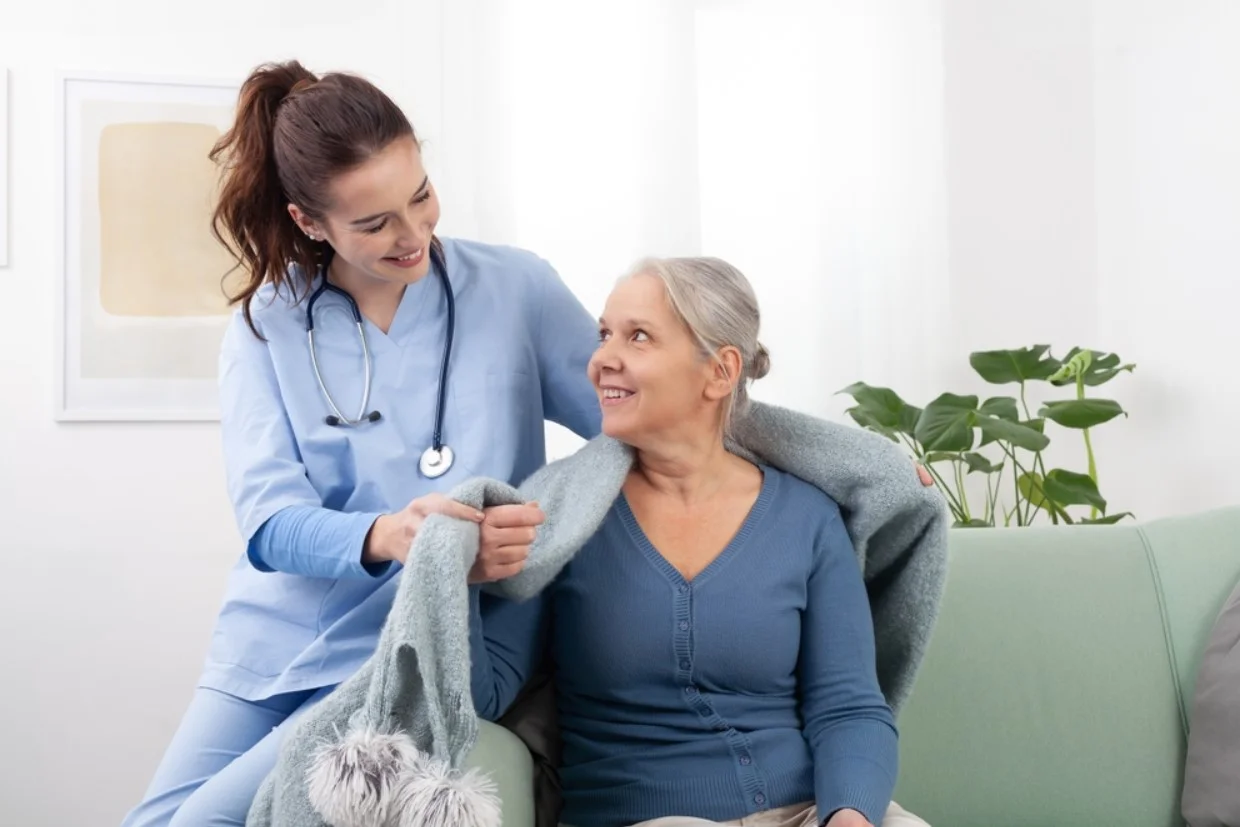
Over the last few years, the home care industry has undergone significant changes. In the past, home care services primarily provided basic assistance with tasks such as cooking, bathing, or reminding individuals to take their medication. But now they offer much more. These new services meet a wide range of needs, from advanced medical care to emotional well-being to even integrating technology. For families who are struggling to care for a loved one, this change offers both a better quality of life and peace of mind.
This article talks about how home care is getting bigger and better than ever before. We want to show how important home care can be for clients and their families by looking at the advanced services that are now available, talking about their real benefits, and imagining what the future of this dynamic sector might look like.
The Shift in Home Care Services
In the past, home care was mostly about making daily life easier. The main things to do were cooking, getting dressed, and helping with light cleaning. These services were definitely useful, but they were often the bare minimum needed to keep people safe at home. But as time has gone on, improvements in society, technology, and medicine have made a wider range of solutions necessary.
Key factors driving this change include:
Ageing Populations: Global populations are ageing at unprecedented rates. Older people often have long-term health problems that need more care.
Hospital Avoidance: More and more families choose home care services over long stays in the hospital or care in an institution.
Focus on Quality of Life: Clients and their families want more than just functional care; they want care that makes them feel better as a whole.
In response to these changing needs, modern home care providers have come up with more advanced services.
What Modern Home Care Services Offer?
The latest care services offer more than a basic care. Some of the key aspects are discussed below.
1. Specialised Medical Care at Home
Home care now covers areas that were once thought to be only for hospitals or clinics. The services include wound care, IV therapy, physical therapy, and even palliative care, all of which are given in a place that is familiar to the patient.
For instance, a home health nurse might keep an eye on a patient who is recovering from surgery, making sure they take their medications on time and giving the doctor regular updates. Families dealing with long-term illnesses like diabetes or Parkinson's can get personalised help from specialised in-home carers who know how to care for these conditions.
This growth of medical care into the home cuts down on unnecessary trips to the hospital, makes things easier, and leads to better health outcomes.
2. Emotional support and companionship
Loneliness is a big problem, especially for older people. Studies show that being socially isolated can be just as bad for your health as smoking 15 cigarettes a day. Modern home care services directly address this problem by providing companionship services.
Companionship carers do more than just their jobs; they help people connect with each other. They might do their clients' favourite hobbies with them, talk to them, or go on outings with them. For instance, "Mary," who is 82 years old and a widow. Mary's carer doesn't just help her cook; they also garden together and talk about her travels in the afternoons.
These kinds of interactions make people feel less alone, improve their mental health, and remind them that they are not alone in their journeys.
3. Mental Health and Cognitive Support
Advanced home care services now include mental health care as an important part. Customised programs now offer therapeutic interventions for clients who are dealing with anxiety, depression, or dementia.
People with Alzheimer's or other types of dementia can keep their minds sharp by doing cognitive exercises with the help of home care specialists. Many providers also let clients talk to licensed counsellors or therapists who help them deal with emotional problems.
The goal is to provide holistic care, which means helping not just the body but also the mind and making sure clients feel seen, heard, and supported.
4. Integrating Technology into Care
In the 21st century, technology has changed the way care is given. Technology in home care means safety and efficiency, from wearable health devices to smart home systems.
Remote Monitoring: Wearable heart monitors and other devices keep track of health data all the time. Carers can be notified right away if a person's heart rate is too high or their oxygen levels drop.
Telemedicine: A lot of people who get home care services can now see their doctor online. This cuts down on the need for travel while still keeping clients in touch with their primary care providers.
Smart Systems: Home sensors can keep an eye on movement, so carers will know if a client falls or wanders.
Families can get constant updates on their loved one's care through a caregiver's app or dashboard, which gives them peace of mind even when they can't visit in person.
5. Specialised Lifestyle Services
Some home care providers now help with more than just health needs; they also help with lifestyle issues. From arranging social activities to managing transportation to clubs or museums, these services make sure people continue participating in their favourite activities.
Consider John, who is 85 years old and loves going to art workshops every month. His carer not only drives him to and from his home care program, but also encourages and supports him to get involved in the community and stay active.
These kinds of improvements help clients feel independent, purposeful, and happy.
Benefits for Families and Clients
Not only do the people who get home care benefit from the wider range of services, but so do their families.
1. Improved Quality of Life:
Clients live safer, more fulfilling lives with services that are specifically designed to meet their needs and preferences.
2. Reduced Family Stress:
Advanced care options make things easier for family members, allowing them to have meaningful relationships with clients without getting burned out as carers.
3. Better Results:
Care that is both holistic and medically sound leads to better mental and physical health.
4. Cost Savings:
Families save money over time because clients can stay at home longer and don't have to go to the emergency room or the hospital as often.
These benefits have a positive effect on many people, not just the people who get them. They also make the whole family better.
The Future of Home Care Services
The home care industry is still coming up with new ideas at a fast pace. New trends point to even more chances for personalised care in the future.
AI-Driven Care Models: Soon, artificial intelligence will be able to guess what clients need, find early warning signs of health problems, or suggest activity plans.
Respite Care Innovations: Advanced short-term care will make it easier for families to take a break from caring for their loved ones without sacrificing their quality of life.
Behavioural Health Support: More emphasis on bringing behavioural health professionals into home care services.
Expanded Access: More people could get advanced care if costs went down and more public money were available.
These new developments promise to make home care even more effective by offering personalised, fair solutions that improve lives.
Final Words
Home care services have come a long way from just helping out. They now meet the complex needs of families today. These services not only improve health outcomes, but they also help people connect, be independent, and feel good about themselves. They include advanced medical care, emotional support, cognitive therapies, and cutting-edge technologies.
For clients, this change means that staying home doesn't have to mean giving up a good quality of life. Advanced home care gives families peace of mind because it reminds them that help is always close by, even when things are tough. The future of this field is very bright, with endless ways to keep loved ones safe, happy, and thriving in their own homes.
Do you want a professional home care for you or loved ones? Contact us for further details.